AAC Blocks introduction
Autoclaved Aerated Concrete (AAC) is a lightweight, precast building material. These Blocks are now-a-days very widely used as a green and cheaper substitute for red clay bricks and ordinary fly ash bricks.
It is also popularly known as light weight concrete, which is produced in a wide range of sizes and strengths.
AAC Blocks is a unique and excellent type of building material due to its Features.(link to features)
AAC blocks is a mixture of fine fly ash, together with lime ,gypsum, cement, binding agents, water and aluminum powder.
These blocks are produced in the start of the art fully automated plant with computer controlled cutting machine and are cured by steam in autoclave
AAC Invented in the mid-1920s, AAC simultaneously provides structure, insulation, and fire- and mold-resistance.
AAC products may be used for both interior and exterior construction,
In addition to their quick and easy installation, ACC materials can be routed, sanded, or cut to size on site.
AAC offers incredible opportunity to increase building quality and at the same time reduce costs at the construction site.
Product Features

Light Weight
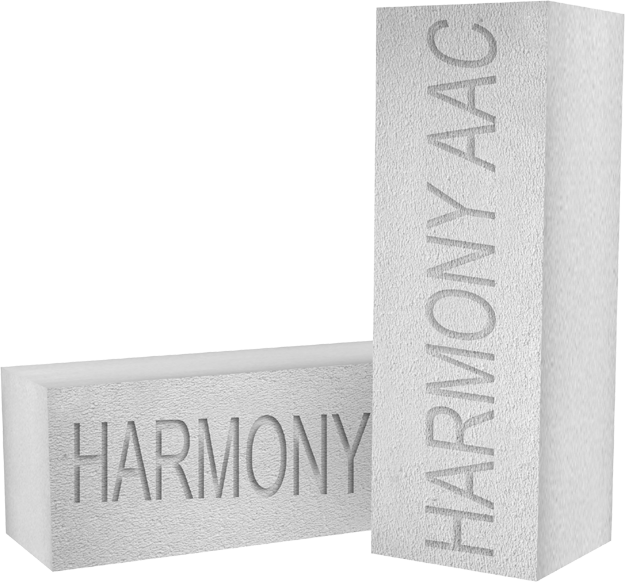
Harmony AAC blocks are around 3 times light weight than regular bricks. It reduces the dead loads on the structure. Studies have shown reduction in steel up to 15%.
High Thermal Insulation
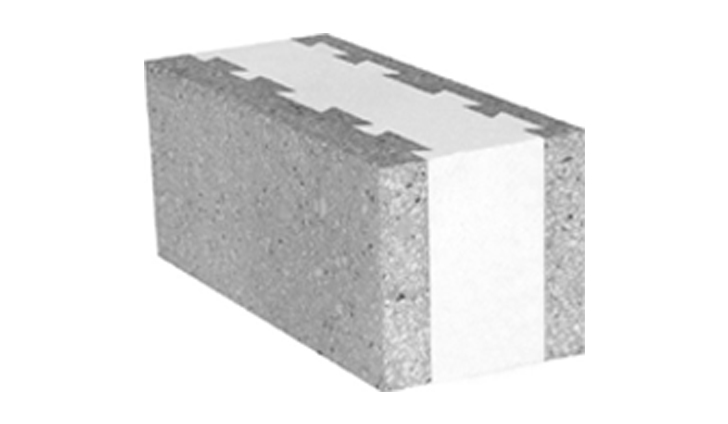
The cellular structure of Harmony AAC blocks makes it far better thermal insulator than ordinary bricks. In case of air-conditioning the building A/C load can be reduced as much as 40% approx depending on building design leading to saving in recurring energy cost.
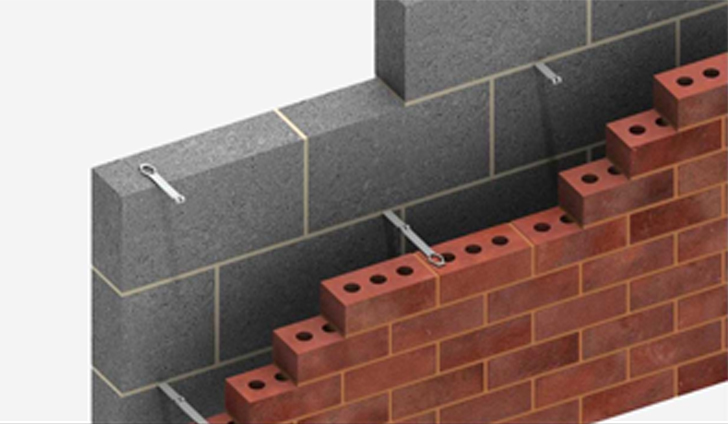
Low Maintenance
Harmony AAC is an inorganic material impervious to rot, insects and other pests. Buildings constructed over sixty years ago in many different climates have proven AAC to be one of the most durable building materials available.

Environmentally Friendly
The manufacturing process creates no by products and uses raw material that are in abundant supply. Harmony AAC is recyclable and nontoxic.
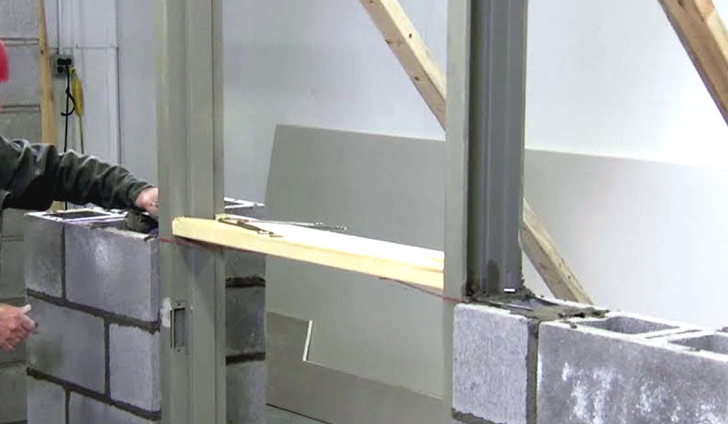
Fixing
Door and windows frames can be fixed in Harmony AAC blocks masonry by using screws and raw plugs easily.
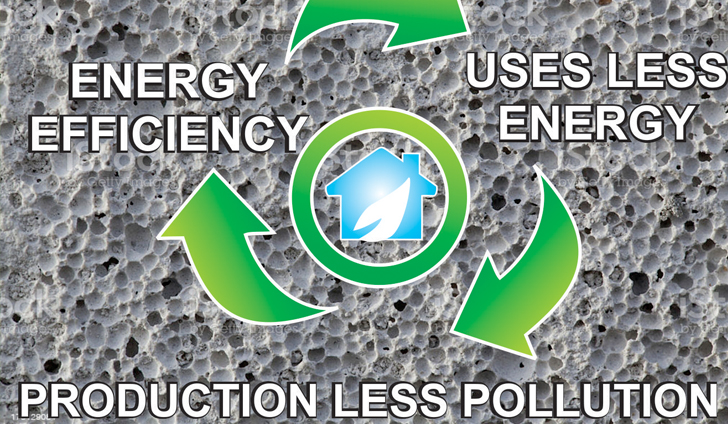
Energy
The manufacturing process of Harmony AAC creates millions of tiny air cells which provide excellent thermal resistance. This makes living environment more comfortable in various climate conditions. This leads to saving in electricity.

Precision
The process of manufacturing AAC products ensures constant & consistent dimensions. Variations are minimized allowing accurate installation resulting in a plane back ground for the economical application of a variety of finishing systems. Internal walls can be finished by direct P.O.P, thus eliminating need of plaster.
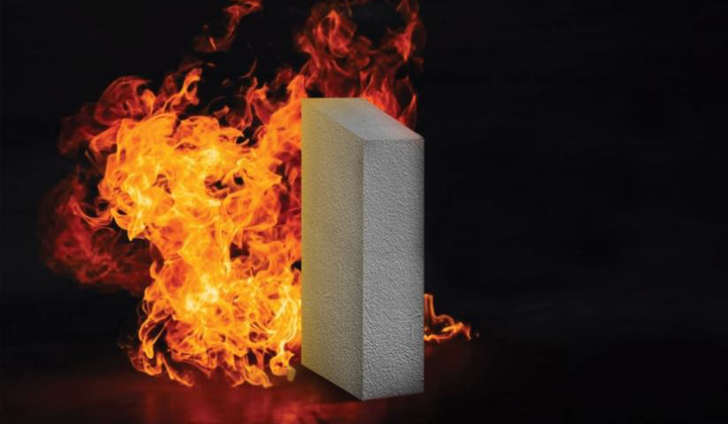
Fire Resistance
Harmony AAC provides 6 hours of fire rating for 200mm thick walls and are particular suitable for fire related application.
Benefits
Ability to be sustained, supported, upheld, or confirmed. The quality of not being harmful to the environment or depleting natural resources, and thereby supporting long-term ecological balance:
Since AAC blocks are light weight, they can reduce the dead load of buildings significantly. Which in turn can save steel in RCC work. Which will reduce the cost of project over all.
AAC blocks are significantly bigger the traditional bricks, which leads to speedier bricks work and less wastage. Which will reduce the cost of project over all.
AAC blocks maintains the temperature. In summer it keeps the inside cool and in winter it will keeps inside warm
Retrofitting
Retrofitting is the process of modifying something after it has been manufactured.
For buildings, this means making changes to the systems inside the building or even the structure itself at some point after its initial construction and occupation. Typically this is done with the expectation of improving amenities for the building’s occupants and/or improving the performance of the building. AAC Blocks is the most suitable option for new construction and renovation and it is almost risk free as compare to Red/Fly ash bricks.
AAC blocks are machine cut, every block has almost same dimension, therefore the plaster required is minimal. Also one can avoid the plaster for internal wall altogether and just go for punning. Which will reduce the cost of project over all.
Comparison of Red Brick and AAC Blocks

Areas of Application